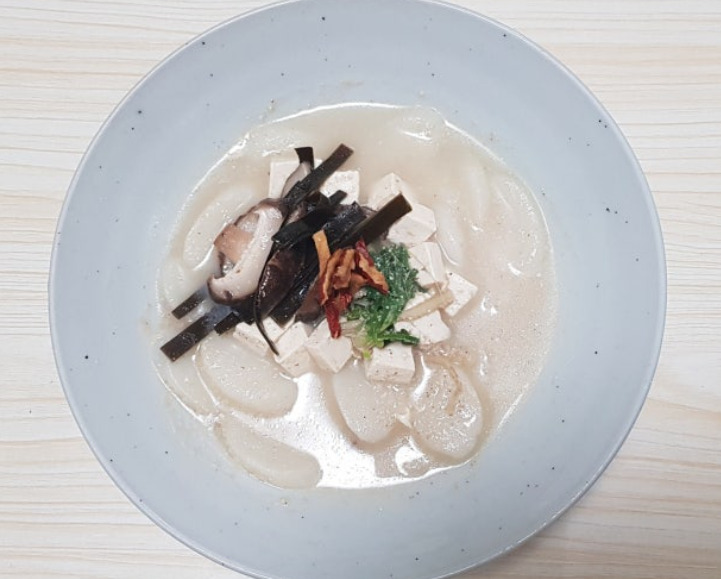
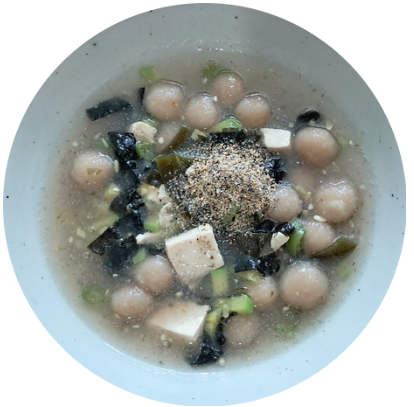
Seaweed Rice with Kimchi Stew and Soybean Pulp
Making Homemade Temple-Style Food
Today’s Menu: Seaweed Rice and Kimchi Stew with Soybean Pulp
Benefits: Healthy, clean flavors, simple ingredients
Taste it, and you’ll understand the purity of temple cuisine!
홈메이드 사찰식 만들기
오늘의 메뉴: 미역밥과 콩비지 김치찌개
장점: 건강하고 깔끔한 맛, 간단한 재료
먹어보면 알 것이다. 사찰식의 클린함을!
Just a moment
What is Kongbiji ?
Kongbiji is the soybean pulp left over after making tofu. It is rich in protein and dietary fiber while being low in calories. In Korean cuisine, it is used in a variety of dishes such as kongbiji jjigae (soybean pulp stew), kongbiji jeon
(savory pancake), and kongbiji muchim (seasoned soybean pulp).
먼저, 콩비지란?
콩비지는 두부를 만들고 남은 콩 찌꺼기로,
단백질과 식이섬유가 풍부하고 칼로리가 낮다.
한국요리 재료에 콩비지찌개, 비지전, 비지무침으로 다양하게 사용된다.
And then
What are the benefits of eating seaweed?
Seaweed is a type of marine vegetable rich in iodine and minerals such as calcium, iron, and magnesium. Its alginic acid helps reduce blood cholesterol and supports blood pressure regulation.
It is known that whales eat seaweed or kelp after giving birth, which helps replenish nutrients lost during childbirth and boost immunity. Seaweed is also easy to digest, low in calories, and high in dietary fiber, making it very filling.
미역을 먹으면 뭐가 좋을까?
미역은 풍부한 요오드와 미네랄(칼슘,철,마그네슘)을 함유한 해조류로
알긴산이 혈중 콜레스테롤을 감소시키고 혈압 조절에 이로우며,
고래가 출산 후 미역이나 다시마를 먹는 것으로 알려져 있다.
이는 출산으로 손실된 영양을 보충하고 면역력을 회복하기 위함이며
소화가 잘 되고 칼로리가 낮으며 식이섬유가 풍부해 포만감이 크다.

Let’s give it a try

1. Soaking the Seaweed
Rinse the dried seaweed thoroughly, then soak it in water.
It expands faster than you might expect.
Once softened, cut the seaweed into bite-sized pieces and place it in the rice cooker with the rice.
1. 미역불리기
마른 미역을 깨끗하게 씻은 후 물에 불린다.
생각보다 금방 불어난다.
불어난 미역을 먹기 좋은 크기로
자른 후 밥솥에 밥과 함께 안친다.

2. Making the Seasoning Sauce
Combine soy sauce, sesame oil, and toasted sesame seeds.
This sauce is meant to be mixed with the cooked seaweed rice before eating.
2. 양념장 만들기
간장, 참기름, 통깨를 넣어서 만든다.
다된 미역밥과 함께 섞어 먹을 재료이다.

3. Making the Vegetable Broth
Since this is a temple-style recipe, use a vegetable-based broth for the kimchi stew.
Add kelp and shiitake mushrooms to 500 ml of water and simmer for 20 minutes.
3. 채수 만들기
사찰식이므로 김치찌개의 육수는
채수를 사용한다.
물500ml에 다시마와 표고버섯을
넣고 20분간 끓인다.

4. Stir-Frying the Kimchi
Heat some cooking oil in a frying pan and stir-fry the chopped kimchi. Using perilla oil gives it a rich, nutty aroma.
Since this is a temple-style recipe, temple-style kimchi was used as well. (Temple-style kimchi: kimchi made using only vegetables)
4. 김치볶기
프라이팬에 식용유를 넣고 썰어둔 김치를 볶는다.
들기름에 볶으면 고소한 향이 일품이다.
*사찰식이라 김치 또한 사찰식 김치를 사용하였다. (사찰식 김치: 채소만을 사용하여 만든 김치)

5. Cooking the Kimchi Stew with Soybean Pulp
Pour the prepared vegetable broth over the stir-fried kimchi and bring to a boil.
Gradually add the soybean pulp, adjusting the thickness to your preference.
Season with a little soy sauce, salt, or kimchi juice according to your taste.
5. 콩비지김치찌개 끓이기
볶은 김치에 만들어둔 채수를 붓고 끓인다.
여기에 콩비지를 조금씩 넣어가며 농도를 맞추고, 기호에 따라서 국간장이나 소금, 김치국물 등으로 간을 맞춘다.

Note when making seaweed rice
Be careful not to add too much seaweed, as it expands while soaking and you might be surprised when you open the rice cooker.
*미역밥 만들때 주의사항
미역을 너무 많이 넣으면, 순식간에 불어나
밥솥을 열었을 때 흠칫 놀랄 수 있다.

Finished
Homemade temple-style food was completed more easily than expected.
With plenty of seaweed, it felt like facing the fragrant sea.
The kimchi stew with soybean pulp also tasted very clean, likely thanks to the vegetable broth.
완성
생각보다 간단하게 홈메이드 사찰식이
완성되었다.
미역을 많이 넣어서 그런지 향긋한 바다를
마주하는 것 같았다.
콩비지김치찌개도, 채수를 사용해서
맛이 아주 깔끔하였다.
“Gratitude to all of nature”
When I made seaweed rice and kimchi stew with soybean pulp, I followed a YouTube video.
However, the monk in the video soaked and ground the soybeans by hand.
Even just watching, I could almost sense the nutty aroma.
When you cook temple-style food, you realize
that there is very little food waste or dirty dishes,
and after eating, your stomach feels extremely comfortable—this is a big advantage.
You can fully appreciate the natural flavors of the ingredients,
allowing you to eat slowly and savor their unique aroma.
I couldn’t help thinking that this is truly a moment of healing.
It can be completed quickly with simple ingredients you already have at home,
and the cooking process itself brings a sense of order and calm.
Today’s temple-style meal was, once again, a success.
미역밥과 콩비지김치찌개를 만들 때
유튜브를 보고 따라하였는데
스님께서는 직접 콩을 불리고 갈아서 사용하고 계셨다.
뭔가, 영상으로만 보아도 고소함이 전달되는 것 같았다.
사찰음식을 만들다보면 알게 되겠지만
음식물 쓰레기나 설거지 거리가 별로 없다는 것과
먹고 나면 속이 아주 편안하다는 커다란 장점이 있다.
그리고 재료 본연의 맛을 풍부하게 느낄 수 있어
식사를 천천히 하며 고유의 향을 음미하게 되는데
이것이야말로 힐링이 아닌가 하는 생각을 하게 된다.
생각보다 집에 있는 간단한 재료로 금방 완성할 수 있고
조리 과정 자체에서 정갈함을 느낄 수 있다.
오늘 사찰식도, 성공이었다.